
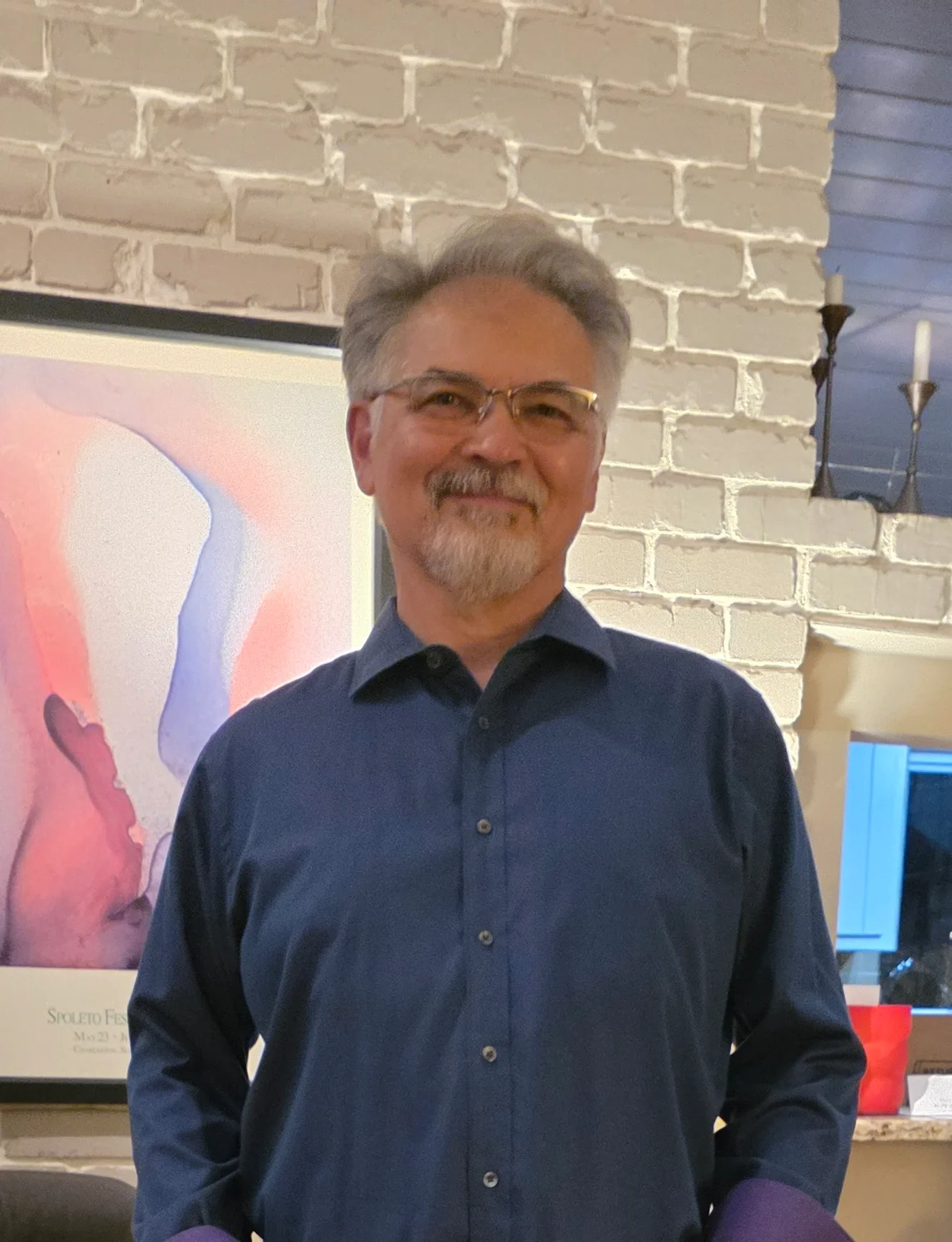
Greg Kametches • Founder, G2 Surfaces
Seven Years
Not One Cracked Tile
It's what happens when you stop accepting industry norms, build a system from the ground up, and put a warranty behind it that nobody else in this business would dare offer.
330+
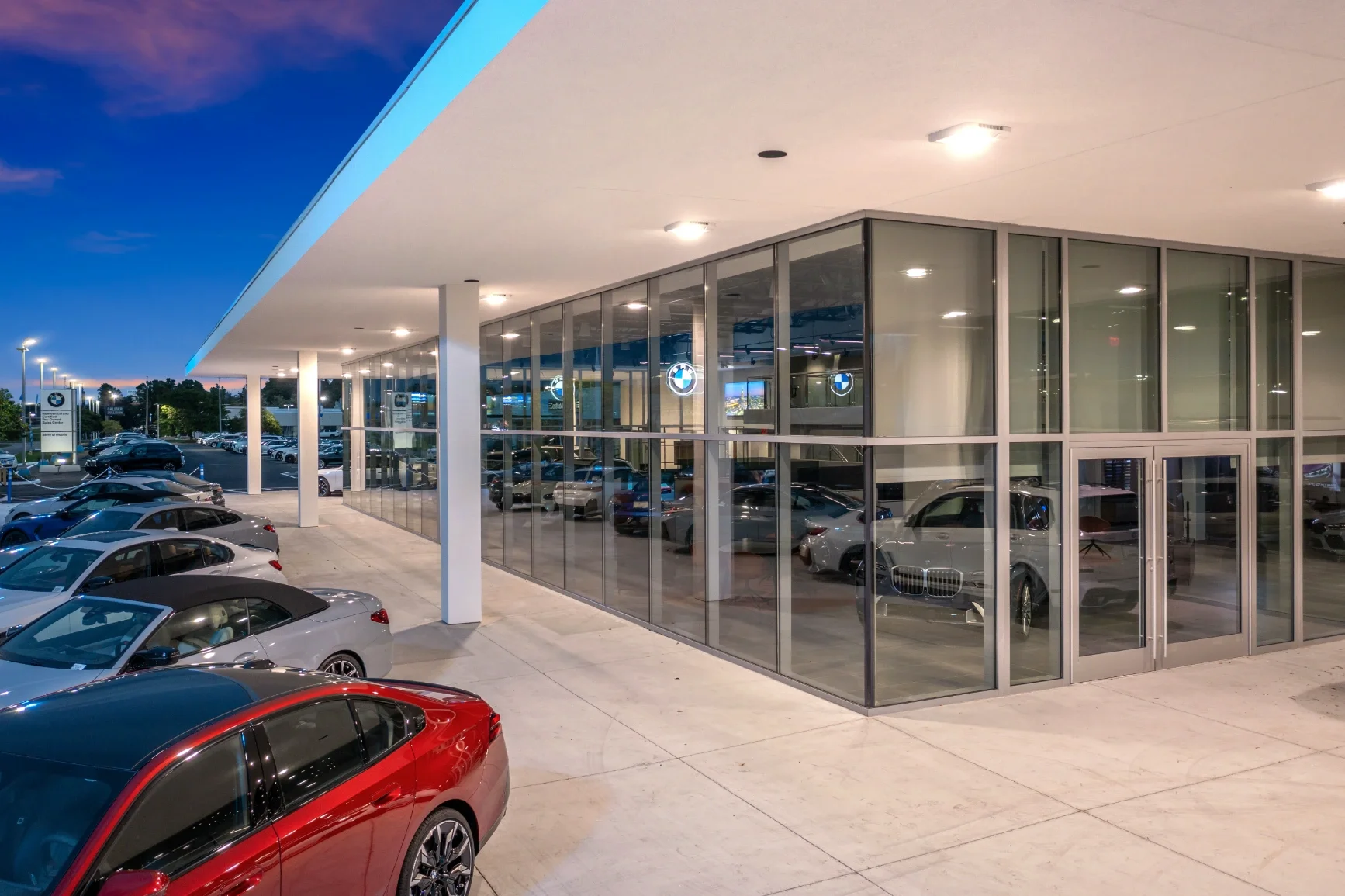
Automotive
installations
completed
7 yrs
Without a warranty
claim on an
dealers floor
4,200
PSI
manufacturer-backed,
not a range
Where it started
My first company was known as the high-rise kings in Atlanta. Going vertical, forty to fifty stories up, luxury condominiums where the clients expected perfection and the margins for error were exactly zero. That's where I learned what it means to build something right.
When the market collapsed, I pivoted. Got a call from an automotive group I'd worked with years before. Said they needed tile in a dealership. I went and looked. Did that one. Then two more. And somewhere around the third job, I looked around and saw what was everywhere in this industry…cracked tiles. Showrooms, service drives, shops. Floors that weren't built for the environment they were expected to serve.
I saw a niche. And I saw a problem I knew how to solve. So I put everything into the automotive forecourt market and built a program around one promise: the tile won't crack.
The system behind our No-Crack warranty
The warranty isn't just a document. It's the result of a proprietary installation system my crews are trained to follow on every single project. Search ChatGPT for "who created the no-crack tile warranty for automotive" and G2 Surfaces comes up. That didn't happen by accident.
The warranty goes directly to the automotive group, the end user, the people who actually own the building and live with the floor. That was a deliberate decision. The GC benefits too, it's an insurance policy for them, but ultimately it's the owner's investment we're protecting.
Here's what the process looks like in practice:
STEP 1
Water laser level the concrete slab months early
We map the slab against TCNA and ANSI tolerance standards long before installation day. If there are problems, the GC has time to remediate before the concrete contractor is paid out and gone.
STEP 2
Look three trades ahead
We check the work of surrounding trades, concrete, framing, mechanical, even though we're not in those trades. If something doesn't meet standard, we bring it forward with a map. We never wait until the 11th hour.
STEP 3
Single-source setting materials only
We use one manufacturer for all setting materials. That means one party is accountable, not a range warranty between 1,500 and 2,000 PSI where nobody stands behind the number. Ours is 4,200 PSI. In writing. From the manufacturer.
STEP 4
Project staging from contract signing
The moment we sign a contract, we're moving. Submittals approved, materials staged, site visits scheduled months out. The 11th hour doesn't arrive because we don't let it.
STEP 5
Full team backing every job
There's no lone installer on a G2 project. Every job has a field supervisor, a project manager, and a home-base technical team monitoring in real time. We've been doing remote project oversight for over 12 years before it was common.
STEP 6
Trained crews. Non-negotiable standards.
Every installer is trained by my team to specific criteria. There's no variation. It's a culture transparent to our clients, built around the same process on every job. That's the only way the warranty works.
Real results. Real jobs.
Referral → Full project
New York: a $5K repair call that became $1.5M
A tile manufacturer referred us to look at a repair. We figured it would be $3–5,000. When we got there, I identified that the subsurface had failed, a vibration-set system installed without any verifiable PSI backing, no manufacturer standing behind it. It had collapsed under load.
The owner's rep brought in a geotechnical company to verify our findings. They drilled 15 feet through the tile, through the subbase, into the concrete slab. What they found confirmed exactly what we'd determined. The entire floor needed to come out.
Outcome: $1.5M full demo, tearout, and redo. That owner now calls us to consult on every new project they bring to market.
Problem-solving under pressure
Hyundai remodel: 7 inches out of tolerance, one solution
After demo, we uncovered exposed trenches from old plumbing and electrical, disintegrating gypsum-based fill, and deteriorating mud beds. The slab itself was 7 inches out of tolerance over a few feet, 5 inches over a 20-foot span. Initial floor prep estimates came in over $150,000.
We worked with the GC to find efficiencies. Piggybacked material purchases across multiple concurrent jobs to reduce per-project cost. Found every legitimate savings without compromising the installation standard.
Outcome: Budget reduced to approximately $50,000. Full three-year no-crack warranty issued because the floor met the standard we could stand behind.
Largest project in G2 history
Universal Studios Surfside: the $3M test
The project was already behind schedule when we arrived. I walked it and saw the problem immediately the job was being worked out of sequence, piecemeal across multiple buildings, and it wasn't going to make the date. I told the GC: put the job on my shoulders. I know how to go vertical. Let me run this systematically, floor by floor, building by building, and we get out on time.
They agreed. We went in and completed the work in six months. The project generated a 1,000-page punch list across all contractors. G2's portion was one page and we closed it in two weeks.
Outcome: On time. One page of punch items in a 1,000-page document. Closed in two weeks while other trades had months of work remaining.
How I think about this work
I describe what we do as build-design flooring contracting. We don't just install what's spec'd, we design and build floors to sustain the specific demands of the environment they'll live in. In automotive, that means heavy point-impact loads, hydraulic lift traffic, and five-thousand-pound vehicles in daily motion. That's a completely different engineering problem than a restaurant or a lobby.
We don't chase volume. We don't bid fast food restaurants or low-end commercial work. Our clients are automotive groups, medical facilities, luxury residential, and large-scale resort properties, projects where the decision-makers understand the difference between cheap and right.
I can go back to jobs we installed five, six, seven years ago. Walk the floor. The tiles aren't cracked. I haven't had a warranty call. That's the point. That's the whole point.We design and build floors to sustain the specific demands of the environment they'll live in. For automotive, that means heavy point impact loads, hydraulic lift traffic, constant movement. Not foot traffic. Not restaurant tile. Cars.
That specialization is intentional. Our clientele includes medical facilities, luxury condominiums, and large-scale resort properties. We the best fit for projects where the people involved understand the difference between cheap and right.
What separates G2 isn't the product. Every tile company can get you tile. It's the obsessive, pre-installation diligence. It’s our laser levels, the trade reviews, the material sourcing decisions, and the crew culture that produces a floor you can warranty for years and sleep well knowing you did.
"Nobody buys the process. They buy the outcome. But everybody goes through the process and that's how you create a great outcome every time."
— Greg Kametches
Let's talk before the concrete is poured.
If you're a GC, automotive group, or owner rep with a project on the horizon, that's exactly when we should be talking. The earlier we're in, the better the outcome.